How recreational DJing changes your mental state: feedback from our students

Photos by Yuliana Lytvynenko

An innovative approach to improving your well-being through musical exercises – EnterDJ is the first recreational DJing program in Eastern Europe that allows you to quickly immerse yourself in a creative state, turn a regular computer into a sound system, and gain a new socialization experience.
Music is the language of emotions. Music therapy is a means of harnessing these positive effects. Modern research in the field of neurobiology confirms that active involvement in creating music and managing musical processes stimulates neuroplasticity.
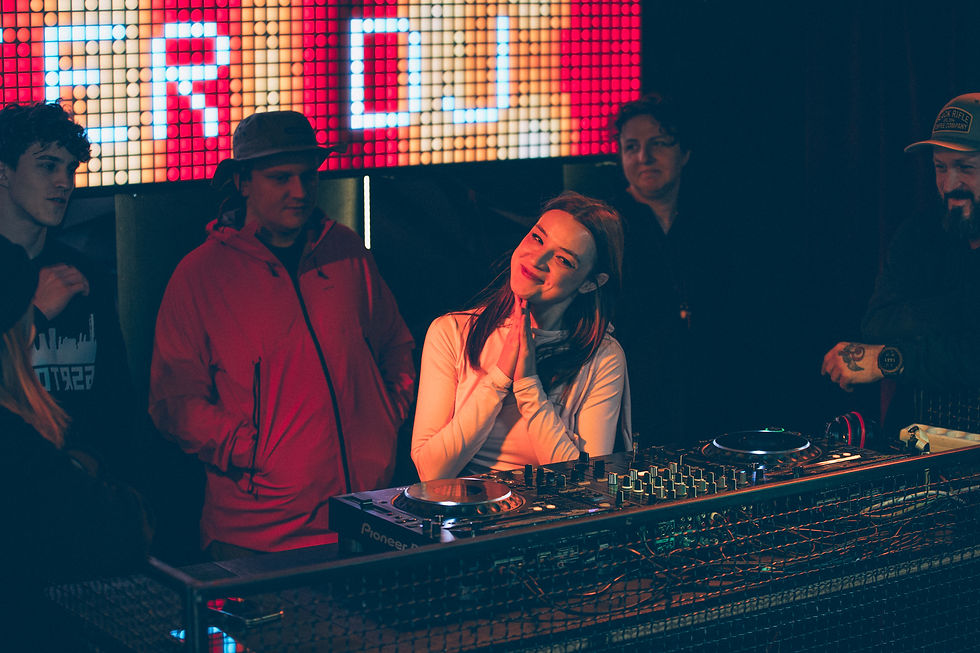
When you DJing, your brain works in a creative state:
Synchronization: Beatmatching (combining the rhythms of two tracks) requires extreme concentration, which helps to "ground" yourself and get out of the anxiety loop.
Dopamine reward: Successfully transitioning between tracks gives an instant release of dopamine, the pleasure hormone, which is critically important for people with depressive conditions or ADHD.
Mind-Body Techniques: It has been proven that creative activity can reduce the perception of phantom pain by switching attention to complex cognitive and motor tasks.

One session can provide quick emotional relief – this is what we call the “DJ in an Hour” methodology. However, true transformation comes through regular practice.
As in sports, neural connections are strengthened through repetition. Regular DJ practice creates a long-term resilience effect. A person learns not just to pick up track after track, but to manage their own state, to enter a state of flow, where time disappears, and anxiety recedes. Regular classes help to structure the day, restore a sense of control over life and fine motor skills, which is a basic stage of rehabilitation, also after injuries.
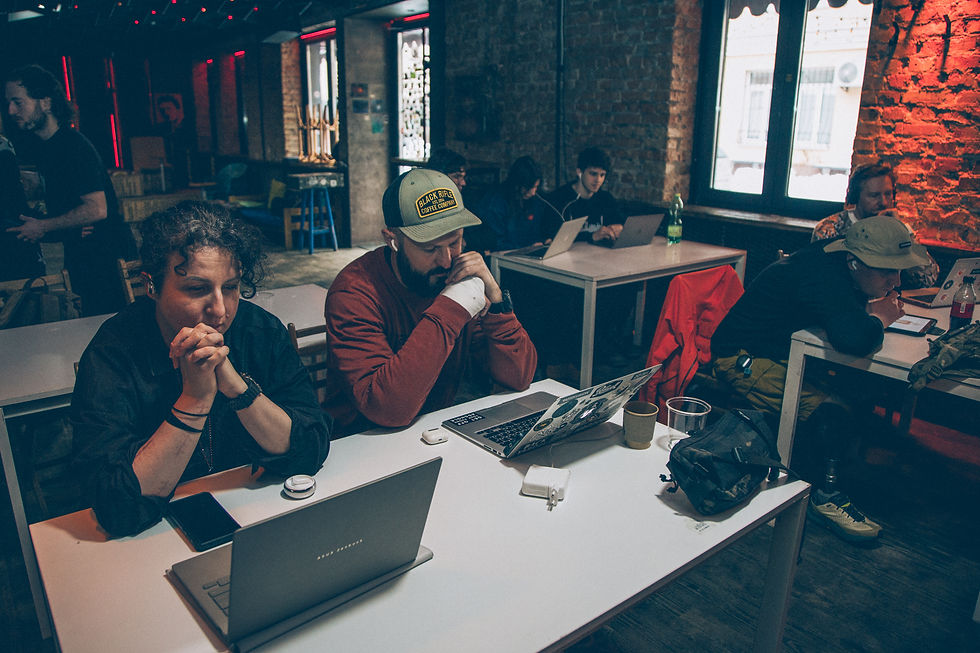
The EnterDJ program shows the greatest cumulative effect during group classes. Social isolation is one of the most severe side effects of trauma. When classes are held in cultural and rehabilitation centers (such as HVLV, Veteran Hub or Superhumans), the individual therapeutic effect is multiplied by the power of the community.
Group interaction includes:
Background and Future: DJing is modern and subcultural. It is not perceived as treatment, although it serves its function.
Shared Rhythm: Collective listening and support create a safe environment where the language of music replaces difficult conversations about trauma.
Sharing experiences: When a student sees the success of another, it stimulates their own motivation.

Our students go from the first press of the "Play" button to confident mixes. Here are some impressions:
"I live by this, I found myself! During the classes I feel a significant reduction in stress. What I like most is the atmosphere and the way the mentors guide us through the process."
"I had no idea before that it could be art therapy. But when you're at the console, the focus is so strong that all unnecessary thoughts just disappear. It gives incredible relief."
"The hardest part was finding free time, but every time I come, my mood improves 100%. I want to finally get behind the console and play my selection for people."
"When you play a set and hear the applause, it's really cool. You feel like you're part of something bigger again, part of a community."
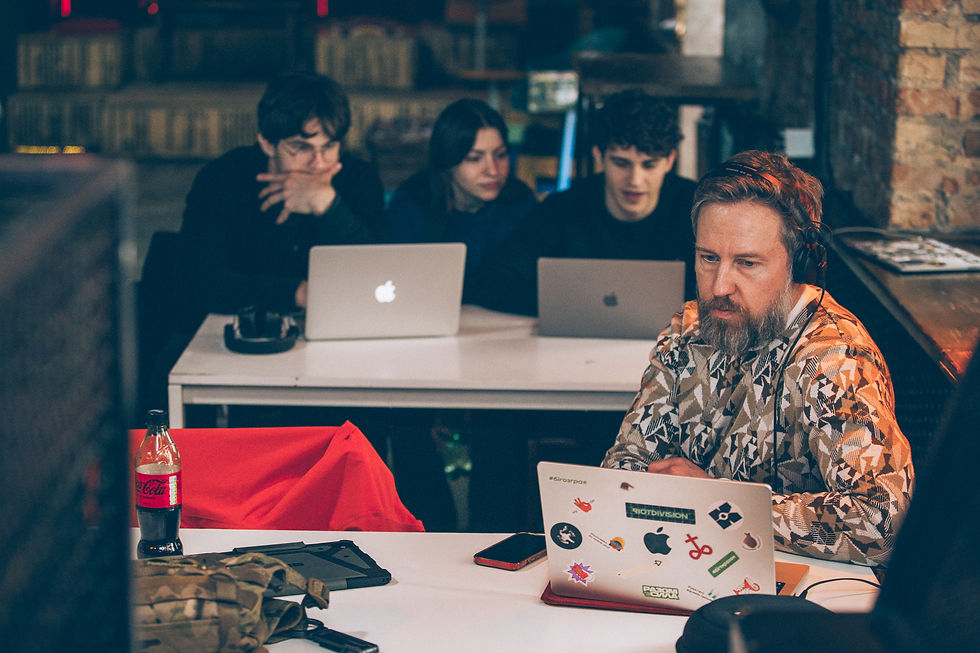
The main advantage of EnterDJ is its accessibility. All you need is a laptop, headphones, and a desire. The program uses free software, making entering the world of music as easy as possible for every student, regardless of age, social status, geography, or musical experience.

Comments